Why Uzak Şehir makes us feel so deeply: A psychological analysis
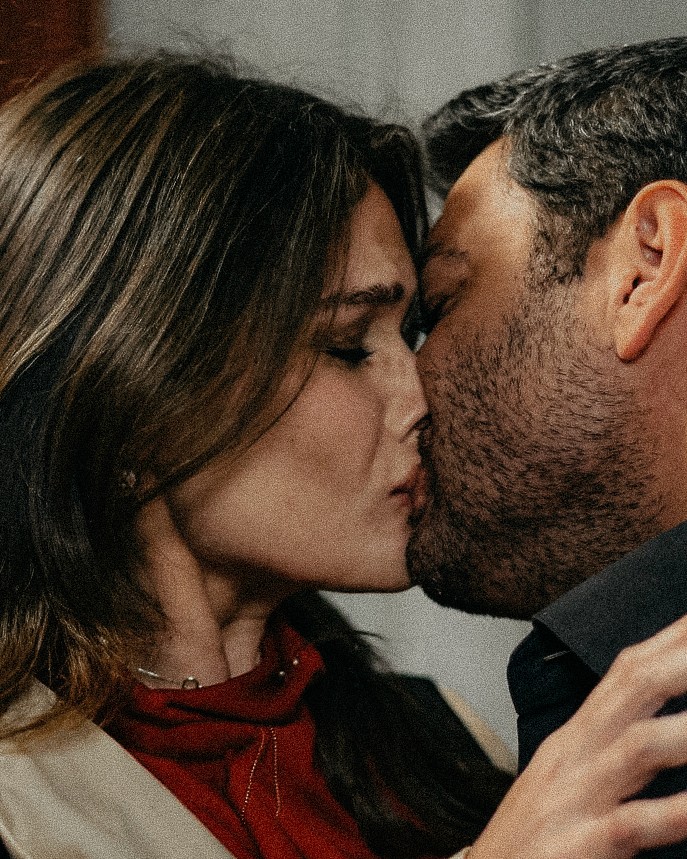
This is a psychological analysis based on responses from 30+ viewers from my community + me
A clear pattern is visible: this is not ordinary television engagement.
People are crying, laughing, re-watching episodes multiple times, creating music playlists, and confessing they've stopped watching other series entirely. One viewer hadn't watched TV series for many years until Uzak Şehir "shattered all my preconceptions" and made them "a fan at my age". Another viewer confessed they had to "stop watching it and remind myself that this is only a series, because I became too emotionally invested in their pain and struggles".
The central question this analysis addresses: What makes us feel so much by watching Uzak Şehir? Why are we so invested?
(1) CihAl: The love story that transforms fiction into reality
(1.1) Presence as the quiet architecture of healing love
When one viewer says "maybe that's why the show stayed with me the way it did. Not because its story was the biggest, but because it felt the truest," they are naming the psychological core of the show's power. Uzak Şehir relies on presence.
Beyond the chemistry, the slow burn, or the unspoken tension, the show treats love as something that accumulates in the quiet refusal to leave. When words stop reaching, when grand gestures fail, when trauma makes closeness feel dangerous, presence becomes the only language that can still work. Alya and Cihan do not always speak love. They embody it by staying.
This is why the show is better understood as a healing journey than as an addictive romance. One viewer writes: "Then, slowly, the series took us into the CihAl journey of emotional depth, unveiling the process through which love seeds grow into a fruitful tree. Their story was beyond addictive… describing it as such makes it feel like a lust-based type of love, while it's not! For me, the CihAl story is a healing journey: Both of Cihan and Alya were healing each other's wounds through their love."
What is the difference?
"Addictive" suggests consumption, desire, or intensity for its own sake. "Healing journey" points to something more intimate and vulnerable: two wounded people slowly helping each other become emotionally livable again. The image of love seeds growing into a fruitful tree implies time, roots, patience, and nourishment. Love here is presented as cultivation, not as explosion.
The deepest psychological truth the show communicates is this: real love doesn't always put out the fire. But it makes us a little less afraid of its warmth.
"Sometimes presence is the only thing that works when words stop reaching someone."
That is the show’s gift to viewers. We didn't get a promise of perfect love. The series promises presence. It promises that someone can stay (even the season finale shows that Alya might leave). It promises that fragility can be seen without being punished. It promises that two people who have learned to survive can slowly learn to be close.
That is why viewers feel so much. That is why they are so invested. That is why, for many, Uzak Şehir is more than the series. It is a place where they, too, can briefly stop protecting themselves from themselves.
As observation says beautifully:
"I think it moved me because it didn’t treat fragility as something to be fixed, but as something worth being seen. And because it understood, with rare quietness, that some people don’t need someone to save them nearly as much as they need someone who stays when staying becomes difficult."
(1.2) The power of slow-burn authenticity
Here is really important HOW CihAl relationship develops slowly. The show deliberately constructs their love through psychological layers rather than romantic gestures or grand declarations. This mirrors how real emotional intimacy actually forms in human relationships.
"...nothing was forced nor rushed, unspoken feelings told without mentioned any word..."
In real life, people don't typically declare love immediately. There's a period of observation, of noticing small details about someone, of building trust through consistent behavior. Words are just a drop in the ocean. The show captures this authentic psychological process.
The "one whole season of denials" that viewer mentions is psychologically accurate. When people develop feelings for someone they shouldn't (cousins, family connections, moral complications), the first response is often denial because they're lying to themselves. They don't want to admit the feelings because acknowledging them means acknowledging the impossibility, the complications, the pain that might follow.
This is why viewer says "we fell in love with them as a couple" while watching them fall in love with each other. The audience isn't being told to believe in this love. We're being invited to witness it unfold, the same way we witness relationships develop in our own lives.
We see the moment Cihan realizes Alya is different. We see Alya notice that Cihan sees her truly. These are observed through behavior, through glances, through the way they position themselves in relation to each other.
(1.3) The "Impossible Love" archetype and universal longing
The title "Uzak Şehir" (Distant City) works on multiple psychological levels. Literally, it's a place. But emotionally, it represents everything that feels distant and unreachable in our own lives: romantic love, understanding, acceptance, safety, home.
The observation says "nearly everyone has experienced some forms of loss, distance, or desire for what cannot be easily attained," they're identifying the psychological mechanism. The show activates our own memories of longing. Everyone has someone they loved at the wrong time. Everyone has wanted something they couldn't have. Everyone has experienced the pain of being close to someone emotionally but unable to bridge the final distance.
The phrase "meeting the right person at the wrong time" is powerful because it's one of the most painful universal human experiences. It's about circumstances beyond anyone's control. When Alya and Cihan keep having their happiness interrupted by external forces, viewers are reliving their own moments of "almost" and "not yet."
This creates emotional resonance: the character's experience mirrors the viewer's experience so closely that the boundary between fiction and reality blurs.
The hope that "perhaps this time, it will finally endure" is about Cihan and Alya, but also about the viewer's own hope that their own impossible loves, their own longings, might eventually be rewarded. We invest so deeply because we're hoping for ourselves as much as for them.
(1.3) Chemistry beyond physical intimacy: the psychology of non-verbal connection
In an era where many shows use physical intimacy as a shortcut to signal emotional connection, Uzak Şehir uses emotional intimacy to make us crave the physical.
This works because it mirrors how real intimacy develops. The most intimate moments in real relationships aren't always sexual. They're the quiet moments of being seen, of understanding, of feeling safe. When Ozan's eyes express "so much without saying anything," he's communicating the ability to match and respond to another person's emotional state without words.
In real life, we read these signals constantly to understand how someone feels, even when they're not talking. The show activates this natural human ability to read emotional cues, making viewers feel like they're witnessing something authentically intimate and not performed.
This is why viewers say they find new details on every rewatch. I am 99% sure that these micro-expressions aren't scripted actions but behavioral choices by actors that reveal internal states. When you're watching for the first time, you're following the plot. On subsequent viewings, you're watching the psychology, the way Cihan's face changes when Alya enters the room, the way Alya's breathing shifts when she's trying not to cry, the way their bodies position themselves relative to each other without conscious thought.
The chemistry feels "insane" and "undeniable" because it activates the same neural pathways that real attraction activates. When Sinem and Ozan convey genuine emotion, viewers' brains respond as if they're experiencing it themselves. This is why people cry, why they become obsessed, why they say "I never cry when the last episode of this whole show is aired" but then admit they will cry for Uzak Şehir.
(1.4) Why viewers fall in love with the couple while watching them fall in love
The audience becomes a participant in the love story, not just an observer.
Here, we're watching the process of falling in love in more detailed manner. We see the moments of doubt, the internal negotiations, the gradual softening. We're present for the transformation. This creates shared experience: we feel like we've witnessed something sacred and real.
The investment becomes personal because we've been there from the beginning. We remember when they first met. We remember the first moment we saw Cihan look at Alya differently. We remember when Alya started trusting him. While this are plot points to us, on subconscious level, they're milestones in a relationship we've been watching develop, almost like we're watching friends or family members fall in love.
This is why separation feels so devastating. The characters are separating and we're being separated from something we've invested in, something we feel we've witnessed and participated in. The relationship feels partially ours because we've been witness to its creation.
(2) Trauma architecture: characters who feel real because they're broken
Viewers connect so deeply with Cihan and Alya because they are wounded human beings. It is also because the show treats their wounds as part of their humanity. Those are not problems to be solved. As one viewer writes:
"It moved me because it didn’t treat fragility as something to be fixed, but as something worth being seen."
This is the psychological soul of the show. Most stories treat trauma as something that must be resolved, overcome, or healed within a certain timeframe. Uzak Şehir doesn't. It allows trauma to exist as part of the character’s landscape. It allows the pain to be carried without demanding that it disappear.
(2.1) Cihan: the burden-bearer who needs to be seen
The connection viewers feel to Cihan's trauma reveals something important about how many people experience their own lives.
This is the psychology of someone who was forced to take care of others (siblings, parents, family) before they were emotionally ready, and who never learned to prioritize their own needs. The pattern continues into adulthood: they're the person everyone relies on, the strong one, the one who handles everything. But internally, they're starving for someone to notice them, to care for them, to tell them it's okay to not be strong all the time.
Cihan's character arc works psychologically because it shows what happens when someone like this finally encounters someone who sees them.
"Sometimes all a person needs is someone who truly sees them, accepts them, and becomes a safe place to fall apart."
People who carry burdens don't need more strength but more safety. They need to know they can let go without everything collapsing.
Alya becomes this safe place for Cihan. She didn't try to fix him or save him, but simply being there and showing him that his vulnerability won't be attacked or used against him. The "smallest kindness and attention" changes him because it's the first time anyone has offered kindness without expecting something in return, without wanting him to be stronger or more capable.
This resonates so deeply because so many viewers recognize this pattern in themselves or in people they love. The person who appears completely capable, who never asks for help, who handles everything... that person is often the one most desperately needing to be seen.
When Cihan slowly opens up to Alya, we're witnessing a psychological truth: that the strongest people are often the most wounded, and that healing begins when someone finally sees the wound.
(2.2) Alya: the self-savior who struggles to trust
Alya's trauma pattern is equally universal: having to become your own savior because no one else will. When someone suffers enough to learn that they can only rely on themselves, they develop a specific psychological defense: hyper-independence. They don't ask for help. They don't show vulnerability. They handle everything alone.
The problem is that this defense mechanism, while protective, also prevents the very thing they crave most: connection.
"She suffered so much that she learned to become her own savior, which made it hard for her to trust someone enough to let them care for her.", meaning your trauma protects you from further pain but also prevents healing.
What makes Alya's story so emotionally powerful is watching her slowly realize that "she mattered to someone, that someone would stay beside her despite everything." For someone who's learned to be their own savior, this realization is terrifying. It means letting down the defenses that have kept them safe. It means risking the pain of potential abandonment again. It means trusting someone enough to be vulnerable.
The viewers who connect with Alya are recognizing this same pattern in themselves. The strength that looks impressive to others is actually a survival mechanism. The independence that seems admirable is actually fear. The ability to "stand tall and strong every time" comes at a cost: loneliness, exhaustion, the constant burden of carrying everything alone.
When Alya finally lets Cihan care for her, when she finally accepts that someone will stay, it's more than a romantic moment. It's the moment when someone who's been their own savior long enough finally allows themselves to be saved, to be cared for, to be vulnerable.
This is why viewers find it "emotional and beautiful", they're witnessing a type of healing that many of them desperately want but find terrifying to pursue.
(2.3) Mutual recognition: being truly seen as the foundation of love
CihAl's love feels rare and precious to viewers. This is because it's built on mutual recognition of wounds. This is different from typical romantic narratives where characters love each other despite their flaws. Here, they love each other because they see each other's flaws and wounds and understand them.
"A woman who truly sees who this man really is deep inside" and "this man who understands this woman's wounds", this is the psychological foundation of their love. It's not superficial attraction. It's not even just compatibility. It's the profound experience of being truly known by another person and being loved anyway, or perhaps because of what's known.
This resonates so deeply because being truly seen is one of the most fundamental human needs, and one of the most rare experiences. Most of us wear masks in our relationships. We show people what we think they want to see. We hide our wounds, our fears, our insecurities. When someone sees through the mask and loves us anyway, it's transformative.
The viewer who says "the bond that comes from understanding one another and look beyond our trauma and our upbringing" is identifying this psychological truth. Cihan and Alya love each other, they understand each other's trauma, they recognize the patterns, they see the defenses and love the person behind them. This creates a depth of intimacy that viewers recognize as rare and precious.
The love feels "built on understanding, pain, loyalty, and finding comfort in each other when the world feels heavy" because that's exactly what it is. It's not about grand gestures or perfect moments but two wounded people who've found safety in each other, who've found someone who understands their pain because they've lived something similar, who've found comfort in a world that often feels heavy and unforgiving.
This is why viewer says "a depth in love that we usually believe is unrealistic but they're making it feel like realistic." Deep, authentic love like this is rare in real life. But the show makes it feel possible, which creates hope. It shows viewers that this kind of love exists, that it's worth fighting for, that two wounded people can find healing in each other.
(3) Character psychology: why we see ourselves in these characters
(3.1) Maturity and relatability: adults who feel like real adults
When viewer says "it feels much more relatable and comforting to watch" mature characters, they're identifying a psychological reality: we connect most deeply with people who are where we are in life.
Characters in their 30s and 40s deal with established patterns that are hard to break, past wounds that still ache, responsibilities that can't be ignored, the weight of choices already made.
"Everything feels softer, calmer, and more natural" with mature characters because they've already lived through the dramatic transformations of youth. They're figuring out how to be who they are in relationship with someone else. This feels more authentic to viewers who are living that same experience.
The chemistry "feels genuine and full of care" because mature love is different from young love. It's less about passion and intensity (though those are present) and more about safety, understanding, and the quiet knowledge that this person gets it. They've both lived enough to know what matters and what doesn't. They've both been hurt enough to know how precious trust is.
(3.2) Human wholeness: flaws AND qualities creating moral complexity
The psychological power of Uzak Şehir's characters comes from their moral complexity. They're not heroes or villains but complete humans with both qualities and flaws.
"We can't fully love Sadakat, but many mothers will understand her." Sadakat isn't a pure definition of a villain even for most of us she could be.
This moral ambiguity mirrors real life. In our own families and relationships, we rarely encounter pure heroes or pure villains. We encounter people who do good things for bad reasons and bad things for good reasons. We encounter people who are wounded and wounding, who need help and can't receive it, who love us and hurt us in the same breath.
The characters are making choices based on their trauma, their upbringing, their fears, their limited understanding of how to get their needs met.
This creates empathy even for characters we might otherwise dislike. At least I tried before to understand Sadakat's fear for her child. I understand Demir, but I don't approve his methods. I see the wounds behind the behavior, and that makes it harder to simply judge.
For Alya and Cihan specifically, this wholeness makes their love more believable.
"... we admire her (Alya), but still once she was fooled by a man (Boran) despite all her cleverness and education." She's not perfect. She makes mistakes. She's smart but still vulnerable. "
"Cihan, can be seen as a victim of all the situation, but at the same time, we can say that he is trying to have it all at the same time, and he can't bear to loose anything." He's wounded but also making choices that create more wounds.
This psychological realism is why viewers stay invested even when they acknowledge "some stories are not good" or "shortcomings and flaws." The characters feel real enough that we accept the imperfections in the storytelling. We're watching real people, not perfect heroes.
(3.3) Defense systems and emotional stoicism: recognizing our own coping mechanisms
The characters' "emotional stoicism" resonates because it mirrors defense mechanisms that many viewers have developed. Cihan's restraint, Alya's strength masking vulnerability... these are survival strategies that viewers recognize from their own lives.
When someone says "I like men like Cihan... men of few words but completely defenseless in front of the woman they love," they're describing a psychological pattern that's both attractive and relatable. The toughness is a defense. The few words are vulnerability feels dangerous. The defenselessness in front of the loved one is the breakthrough, the moment the defenses finally come down.
Similarly, "I love the strength she shows even when she is afraid" describes Alya's psychological pattern. The strength is real, but it's not the whole story. Beneath it is fear, vulnerability, the desire to be cared for. The strength is what she's developed to survive. The fear is what she's trying to protect.
Viewers recognize these patterns because they've developed similar defenses. Maybe they're the strong one in their family. Maybe they don't show vulnerability because it's been punished before. Maybe they've learned that asking for help means burdening others or appearing weak. When they see Cihan and Alya slowly letting their defenses down with each other, they're witnessing something they desperately want to experience.
The psychological breakthrough happens when "he empowers and feeds her strength, he allows her to be in any way she wants then when she's calm fetches her hand and escort her back." This is what healthy support looks like - being present and offering safety.
Similarly, "she does in such a way that infuriates her mother in law because apparently those bandages are the marks of what a true leader is." Alya sees Cihan's wounds and wants to help him heal, even when others see those wounds as weakness.
This psychological dynamic of two people seeing each other's defenses and helping each other let them down is what viewers find so transformative. It shows them that healing is possible, that safety is possible, that two people can create a space where defenses aren't necessary.
(4) The acting: subtle, natural, unforgettable
The acting serves the psychological realism of the show. It lets emotion be discovered through restraint, through micro-expressions, through the quiet choices of how to position the body, how to look, how to speak… or not speak.
(4.1) Micro-expressions and the psychology of authentic emotion
"Ozan use his face so much as part of his acting as Cihan Albora - it could be swallowing, a lip twitch, his eyes, the softness or hardness of his face" , this is a description of the unconscious physical manifestations of emotional states.
In real life, we constantly read these micro-expressions in others. These are unconscious signals that reveal what words hide.
When Ozan uses these micro-expressions in his acting, he's revealing the physical reality of emotional states. This is why viewers say "the emotions they experience make you feel them too; they don't make you feel like they're faking it." The micro-expressions signal authenticity to our brains. We recognize them as real because they match the physical reality of emotion we experience in our own bodies.
(4.2) The mother role: authenticity beyond personal experience
The observation that "Sinem isn't a mother in real life, but here she plays the role of a mother so brilliantly" reveals something profound about her great acting.
Motherhood involves a specific psychological state: constant vigilance for threats, the instinct to protect even when it's not appropriate, the willingness to sacrifice everything for the child's safety, the fear that something will happen to take the child away. This is about an internal state of constant awareness and protection.
When Sinem portrays this so authentically, she's accessing the universal psychological patterns of maternal protection, even without personal experience as a mother. Her great acting accesses universal human experiences and makes them visible and real.
The fact that "even mothers don't portray it as well as she does here" is particularly powerful. It means she's captured something essential about the maternal psyche that even some mothers don't fully express or recognize in themselves. She's shown viewers what their own motherhood looks like from the outside, and that recognition creates deep emotional connection.
(4.3) Character development as psychological transformation
The observation "watching from s1 ep1 and what kind of person Cihan was to now end of season 2 shows how much of a great actor Ozan is. And how much his character development has changed" reveals how viewers experience character transformation psychologically.
We see Cihan at the beginning: closed off, burdened, carrying everything alone, emotionally restrained, even with a toxic masculinity. We see him at the end of season 2: still carrying burdens, but now he has someone who sees him, someone he can be vulnerable with, someone who's slowly helping him heal.
This transformation feels authentic because Ozan shows us the process of change, not just the result. We see the small moments where he starts to trust. We see the setbacks where he retreats into old patterns. We see the gradual opening, the slow softening, the incremental healing. This mirrors how real psychological change happens: it's not dramatic transformation, it's slow, incremental, with setbacks and breakthroughs.
Viewers are invested because they've witnessed this transformation from the beginning. They remember who Cihan was. They remember the first time he showed vulnerability. They remember the moments of breakthrough and the moments of relapse. This creates a sense of shared journey, they've been present for the entire psychological transformation, not just skimmed the surface.
(5) Cultural and value system tensions
(5.1) Traditional vs. modern: the psychology of living between two worlds
The fascination with "Alya, a character who comes from Canada and says she's different with her stance, thoughts, and attitude within a feudal society" taps into a universal psychological experience: living between two worlds.
Many viewers understand what it's like to have modern values in traditional settings, or to have grown up in one culture and now live in another, or to have individualistic desires in collectivist families. This creates psychological tension: How much do I conform? How much do I resist? How do I honor my family while being true to myself?
When Alya fights for her son in a culture "where the elders dominate a household and expect the heir to be a son and follow their rules," viewers who've experienced similar dynamics recognize this immediately. The fight isn't just about the child. There is more to it. We see fight about autonomy, about respect, about the right to parent differently than the previous generation, about not being crushed by tradition.
The psychological power comes from watching someone fight for autonomy without completely rejecting the family. Alya doesn't leave. She doesn't disown everyone. She fights within the system, trying to change it from within while protecting what she loves. This is the reality for most people who challenge traditional patterns. They can't just walk away. They have to navigate, negotiate, fight strategically.
Viewers connect because this is their experience too. They're not fighting feudalism, but they're fighting for autonomy in their own contexts: choosing their own partner despite family disapproval, pursuing their own career despite expectations, parenting differently than their parents, living authentically despite shame and pressure.
(5.2) Strong women and female loyalty: recognition and aspiration
The repeated emphasis on "strong women" and "women who help other women" reveals two psychological needs being met: recognition of their own strength and aspiration toward more female solidarity.
"I like strong women. I love women who help other women. And I love their loyalty to each other no matter what." This describes a psychological pattern that many women recognize but rarely see portrayed authentically. Too often, women in media are shown competing, jealousy, betraying each other. When women are shown supporting each other unconditionally, it creates recognition: "Yes, this is what female friendship and solidarity can be."
The strength viewers admire is the strength to stand firm in values, to protect what matters, to not be crushed by pressure, to keep fighting even when it's exhausting. "Alya carries a very naive, sensitive heart with fears beneath her strong demeanor, constantly tested by those she loves, yet she manages to stand tall and strong every time."
This resonates because many viewers have developed similar strength. They've had to be strong because no one else would be. They've had to protect themselves or their children or their values. They've had to keep standing even when they wanted to fall. Seeing Alya's strength portrayed authentically creates recognition: "I'm not alone. Other people understand what this costs. Other people see my strength."
The female loyalty aspect is particularly powerful because it shows what many women crave: other women who have their backs unconditionally, who don't compete, who support each other through difficulties. "I love their loyalty to each other no matter what" describes a deep psychological need for female solidarity that's often unmet in real life.
(6) The immersive world: more than just a series
(6.1) Magical transportation: the psychology of emotional immersion
When viewers say "for me it is not just a series, they are not fiction, for me they are real characters who live in that distant city and I experience their love, happiness, sadness with them," they're describing a psychological state that goes beyond typical entertainment engagement.
This is the experience of being so immersed in a story that the boundary between fiction and reality temporarily dissolves. When this happens, emotions feel real because neurologically, they are real. The brain is experiencing simulated emotions that activate the same neural pathways as real emotions.
For those two and a half hours, the viewer's attention is completely captured. Worries, responsibilities, distractions… all of it disappears. There's only the story, the characters, the emotions.
This level of immersion is rare and precious. The "magical" quality viewers describe comes from this complete psychological surrender. When you're fully immersed, when you're experiencing emotions as if they're real, when the world outside disappears, this feels magical because it's rare in everyday life. We're so often distracted, half-present, multitasking. Uzak Şehir demands and receives full presence.
(6.2) Music, color, and sensory immersion: the psychology of emotional amplification
The emphasis on music reveals how sensory elements amplify emotional experiences. "The music is also one of the huge things that made me love this series so much!! And sometimes just with one glance and the perfect song, you can feel everything!!"
Music works on a psychological level that bypasses conscious processing. When the right music plays during an emotional moment, it amplifies emotion, deepens it, makes it more accessible.
Creating a playlist "with every song that was played during the episodes" shows how deeply the music is integrated into the emotional experience. The music becomes associated with specific moments, specific emotions, specific character developments. Listening to the songs later triggers those same emotions, keeping the viewer connected to the story even when not watching.
The use of color "what the character is wearing, the room and paintings, the signs in the hospital. It all connects" - reveals how visual elements create psychological coherence. Color psychology is real: warm colors create feelings of intimacy, cool colors create distance, specific colors trigger specific emotions. When these visual elements are used intentionally, they create a psychological atmosphere that supports the emotional story.
The fact that "with each rewatch I find more and more discoveries" shows how layered the psychological construction is. First viewing: plot and main emotions. Subsequent viewings: the subtle psychological cues through color, lighting, composition, micro-expressions. Each rewatch reveals more psychological depth.
(6.3) The aesthetics of character: embodied storytelling and visual code
The show's emotional force lives as much in its visual and sensory details as in its plot or dialogue. One viewer writes:
"I love to watch the details on how they dress, gestures… all the details: white/grey hair, structured and perfect tailored shirts, the ring, the watch, the haircut, the position of his hands on the back… all this gives you information about who is Cihan. I love the details of his hands… have you seen how much attention they draw into them??"
The show tell us who Cihan is. But we get more information through embodiment. The tailored shirts, the ring, the watch, the placement of hands, the way a body turns toward or protects another body. These are story.
Cihan is attractive and powerful. He is legible. His appearance tells a story before he speaks. The structured shirts signal control and discipline. The ring and watch signal status and responsibility. The grey hair signals age and experience. The way he holds Alya and Deniz signals protection, possession, tenderness, and authority all at once.
The way Cihan holds Alya and Deniz becomes a visual shorthand that communicates everything words can't. For many viewers, that physical language is what makes the character feel real and compelling. It is not just that he loves. It is that his love is performed through posture and touch.
This is also why the acting works so well. "Ozan Akbaba is one of those actors that disappears/melts with the character and this is amazing. Nobody would have played Cihan better than him." The actor embodies the character. He becomes it. The viewer stops seeing Ozan and starts seeing Cihan.
Even Demir, a secondary character, becomes compelling through this same embodied storytelling. "I love the characters (not only the main ones, Cihan & Alya) but some like Demir." The show creates depth even in supporting roles because every character is written and performed with psychological specificity. Demir had this special vibe, but I feel sorry that Gülizar didn't use him better. While Feyyaz has this specific notion of psychopath.
(7) Mature love: what makes it feel rare and precious
(7.1) Love that requires work: the psychology of enduring commitment
The repeated emphasis on love that "has demanded a lot of sacrifices, but that is very solid, and that's life" and "a story of perseverance, and fight for surviving" reveals something crucial about how viewers understand mature love.
"Many people have a misconception that love is easygoing and you don't have to work hard for a relationship to last. Yes, this series takes the idea to dramatic level but the core is there. Fighting for love is worthwhile."
This resonates because viewers who've been in long-term relationships understand this truth. Real love is about choosing the same person repeatedly, working through difficulties, sacrificing personal comfort for the relationship, persevering when it's hard.
Mature love isn't less passionate: it's passionate and committed, passionate and willing to work through difficulties, passionate and understanding that love requires daily choice.
The discussions, the anger, the apologies, the transition from anger to softness - "I love how easily they transition from being mad and angry to softness and apologies" - this is what mature conflict looks like. It's working through conflict productively. It's angry but not cruel. It's fighting but not trying to win, it's fighting to understand and repair.
(7.2) The Dynamic of masculine and feminine energies
The observation that "each one of them is connected to their masculine and feminine energies" reveals a psychological understanding of complementarity in relationships - how two people can support and balance each other.
Cihan's protective instinct, his strength, his restraint, these are expressions of masculine energy. Alya's strength, her ability to stand tall, her fight for her son, these are expressions of feminine energy. But crucially, they also flip: Cihan becomes "completely defenseless in front of the woman he loves," and Alya shows vulnerability beneath her strength.
Their power comes from the balance: each person brings their strengths, each supports the other's weaknesses, each allows the other to be both strong and vulnerable. "He empowers and feeds her strength" while "she peels off the bandages of hurtful things." They're not trying to fix each other, but helping each other be whole.
This dynamic feels "perfect" to viewers because it shows what healthy complementarity looks like. Two complete people who choose to support each other, who enhance each other's strengths, who help each other heal, who create something stronger together than either could alone.
(7.3) The rarity of this kind of love
The repeated emphasis on rarity - "I have never seen or experienced a love story like this before," "their love feels rare because it is not perfect or loud," "I think that this kind of story and this kind of couple will not happen again"- reveals that viewers recognize they're witnessing something unusual.
The recognition that this kind of love is rare in real life was a repeated pattern in viewers observations. Deep, authentic, mature love built on mutual understanding, shared trauma, slow-building trust, and unwavering loyalty… this is rare. Most relationships don't achieve this depth. Most people never experience being truly seen and loved anyway.
The show makes this love feel possible, which creates hope. It shows that this kind of love exists, that it's worth fighting for, that two wounded people can find healing and depth together.
This is why the investment is so deep. Viewers are witnessing a possibility, a glimpse of what love could be, a hope that this kind of connection might be possible for them too, or for someone they love.
(8) The tiny details that create deep connection
(8.1) Micro-moments of tenderness
The specific details viewers notice "how he walks slightly behind her protectively, or how he avoids sitting with his back towards her at the table" reveal how safety and care are communicated non-verbally.
These are unconscious behaviors that communicate: "I'm watching out for you. I care about your safety. I'm thinking about you even when I'm not saying it." Walking slightly behind her protectively communicates care without controlling. Not sitting with his back to her communicates: "I'm always aware of you. I'm not turning away."
These micro-behaviors are what create the feeling of safety that allows vulnerability. When someone consistently shows they're thinking about your safety, your comfort, your wellbeing, even in tiny ways, it creates psychological safety. You start to trust. You start to let your defenses down.
Viewers notice these details because they recognize them from real life. The person who holds the door, who remembers your preferences, who positions themselves protectively without being asked, who notices when you're uncomfortable before you say anything, these are the behaviors that communicate care more than words ever could.
"The tiny thoughtful details say so much without words, and that kind of quiet respect and attentiveness is honestly so beautiful to watch." This is what viewers are craving: quiet respect, attentiveness, care that doesn't need to be announced or performed.
(8.2) Eye contact and the unspoken: the psychology of non-verbal intimacy
The repeated emphasis on eye moments - "his eyes expressed so much without saying anything," "the exchanged glances, the lingering causes, and the almost-confessions" - reveals how crucial non-verbal communication is to intimacy.
Eye contact is one of the most intimate forms of human connection. When someone looks at you deeply, they're saying: "I see you. I'm present with you. You matter to me." When two people exchange glances that communicate volumes, they're creating intimacy without words.
The "unspoken love" that viewers find so powerful works because it mirrors how real intimacy often develops. The most important moments in relationships aren't always the declared ones but the glances across a room, the way someone looks at you when they think you're not watching, the eyes that say everything words can't.
"These moments allow the audience to inhabit the emotional space between the characters and to imagine what might have been." The unspoken creates space for the viewer to participate. We're watching. But we're interpreting, imagining, feeling the tension of what's not being said. We become active participants in the emotional story.
The "almost-confessions" are particularly powerful because they tap into the universal experience of having something to say but not saying it. The love that's felt but not declared. The truth that's known but not spoken. This creates emotional tension that's both painful and precious.
(9) The show selects for sensitivity
One viewer offers a sharp meta-observation:
"I might be selective here, but I truly believe that Uzak Sehir's CihAl story is for those highly sensitive humans who love truly and bear all the pain that comes with authentic love… Actually, I believe the negativity experienced in the few last weeks of the series is due to the fact that the wrong audience was watching CihAl: focusing more on the visual side of the story than the script and the growth that each character is going through."
I couldn't agree more with this statement. Whether or not this is fully fair, it gives us a useful angle: Uzak Şehir may require a particular kind of viewer. The show seems to reward people who watch psychologically, not just aesthetically. It asks viewers to care about inner change, emotional accumulation, and wounded attachment. If someone is only looking for spectacle, surface romance, or conventional "shipping," they may miss the deeper arc.
That is why the same elements that feel profound to one audience can feel frustrating or slow to another. The show is built for a specific emotional literacy. It resonates most with viewers who are willing to sit with ambiguity, read subtext, and feel the ache of slow healing.
This doesn't mean other viewers are wrong. It means the show is selective. It is not for everyone. It is for those who want to watch love as cultivation, not consumption. It is for those who want to watch healing, not just romance. It is for those who understand that presence is more powerful than rescue.
(10) Conclusion: the healing architecture of Uzak Şehir
Uzak Şehir makes us feel so deeply because it creates authentic psychological resonance through multiple interconnected layers:
DIMENSION | WHY IT RESONATES |
|---|---|
CihAl as healing journey | Love as cultivation; two wounded people helping each other become emotionally livable |
Presence over rescue | Staying when it's hard matters more than saving or fixing |
Trauma architecture | Characters feel real because they're authentically broken: Cihan as burden-bearer, Alya as self-savior |
Embodied storytelling | Character revealed through clothing, hands, posture, music and not just dialogue |
Acting excellence | Ozan, Sinem and Gonca especially disappear into their characters; micro-expressions feel authentic |
Human complexity | No pure heroes/villains, characters have flaws AND qualities |
Cultural tensions | Real traditional vs. modern conflicts, strong women fighting for autonomy |
Tiny details | Micro-moments of tenderness, eye contact, protective gestures |
Music as emotion | The music choices guide the body how to feel |
Fictional magnetism | Viewers recognize red flags but engage with the fantasy of protection |
Selects for sensitivity | Rewards viewers who watch psychologically, not just aesthetically |
The psychological mechanism:
The show activates our own emotional memories and patterns. When we see Cihan slowly open up to Alya's kindness, we remember times we needed to be seen. When we see Alya struggle to trust despite wanting to be cared for, we recognize our own defense mechanisms. When we watch them build love through understanding pain and loyalty, we experience what "depth in love" feels like.
As one viewer perfectly summarized:
"Emotions somehow manage to make our eyes, not see, but experience the pictures they put in front of us... Everything they do is like a liquid that somehow finds its way into our hearts and minds"
Uzak Şehir makes us experience love. The slow construction of trust, the pain of impossible circumstances, the micro-moments of tenderness, the recognition of being truly seen… these are psychological experiences that activate our own capacity for feeling, attachment, and hope.
That's why we're so invested. That's why we feel so much.
This is emotional architecture that builds something real in us, a thin thread that's "difficult to break, difficult to tear" .
And that's the magic of Uzak Şehir.
This analysis was created from 30+ viewer responses, each sharing their authentic emotional connection to Uzak Şehir. The depth, honesty, and beauty of these responses reveal why the show captivates, why human beings crave stories that make them feel truly seen. Thank you all who participated! It was a pure joy to create this piece.