The psychology of CihAl relationship progression
This analysis is focused mainly on the narrative from the episode 1 to the episode 30, when Cihan and Alya claimed their love publicly. Cihan and Alya's love story is not characterized by passionate fireworks, but by something deeper and more durable: mutual recognition, emotional intimacy, and chosen commitment. Where love becomes not a choice, but an inevitability that arrives dressed as duty.
Part I: The foundation - How love begins in impossible circumstances
The forced marriage as psychological container
Their relationship started with desperation and coercion. This origin point is psychologically significant because it reveals something essential about how deep love can emerge from the most inhospitable circumstances.
Cihan initiates the marriage to control Alya and keep Deniz in the family. The marriage begins as strategy, as another manifestation of his protective duty - a legal shield for Alya and Deniz against the family's relentless grip. Alya agrees to it as the only means to remain with her son.
Neither enters with romantic hopes or emotional expectations. There are no stolen glances charged with possibility. There is no trembling recognition of a soul mate. There is only the brutal arithmetic of survival: If I do this, I keep my son. If I do this, I maintain my authority over the family. If I do this, we both survive another day.
This is the paradox that the series understands with remarkable clarity: the forced marriage, which appears to be a violation, becomes psychologically the most honest foundation for love that either of them will ever have.
Psychologically, this is profound because this removes the initial fantasy layer that often obscures genuine connection.
In most love stories, people project idealized versions onto each other. They fall in love with who they wish the other person to be, not who they actually are. This fantasy layer is so thick, so necessary, that it lasts until the relationship is emotionally invested, at which point reality creates disillusionment.
Cihan and Alya couldn't afford the luxury of fantasy.
They were locked together by necessity. No passion for each other. They shared the same household. They moved through the same rooms. They ate at the same table. There was nowhere to hide, no space between them in which illusion can flourish, dealing with immediate crises and were unable to maintain emotional distance.
The result?
They were compelled by proximity, by circumstance, by the absence of anywhere else to look but into authentic seeing. They are witnessing each other in moments of fear, rage, desperation, and defeat. They saw each other's flaws and actual character, actual behaviour, and actual choice from the beginning. When love emerged, it emerged from recognition of actual people, not projected fantasy.
In that complete knowing, without the mercy of illusion to soften it, love has taken root. Not despite the coercion, but perhaps because of it.
…because coercion forced clarity, and clarity, once it arrives, becomes the only honest ground on which anything real can grow.
Part II: The slow-burn architecture - Why their love takes 29 episodes to unfold
Their relationship develops across 29+ episodes of 2+ hours each; equivalent to 60+ hours of narrative time. This extended timeline is psychologically essential to how their love develops.
6 developmental phases
Phase 1: The first six episodes establish what might be called a period of strategic tolerance. Alya and Cihan move through the household like two planets orbiting the same sun without collision, maintaining precise distance. They interact on the language of pure necessity. There is no warmth, no attempt at bridge-building. There is only the bare transaction of coexistence.
This phase is psychologically crucial precisely because of its barrenness. It establishes the fact that whatever will grow between them cannot be attributed to initial attraction or chemical spark. There is no fantasy blooming here, no mythology to sustain them. There is only the weight of actual circumstance, the bone-deep exhaustion of two traumatized people attempting to occupy the same space without drowning each other.
Phase 2: By episodes 7 through 11, small cracks begin appearing in their defensive structures. Alya notices Cihan's protective actions toward Deniz and observes his genuine investment in the boy's wellbeing. The way his voice changes when he speaks to the boy. The way his severity softens into something approaching tenderness.
And Cihan, watching Alya move through the household, begins to recognize a loyalty that mirrors his own. Her fierce maternal love, the way she refuses to abandon Deniz to the family's claims, the way she resists Sadakat's cruelty, the way she maintains her dignity under psychological assault, these are not acts of rebellion for rebellion's sake. They are acts of protection. They are the same drive that animates Cihan's own choices, the same willingness to sacrifice oneself for those one loves.
Moments of unexpected kindness begin to accumulate.
A gesture of care. A moment of genuine concern. Not because either of them is attempting to seduce the other, but because they have begun, however reluctantly, to recognize the other's humanity. The other's pain.
The turning point comes when Alya begins recognizing that Cihan's control stems from trauma, not malice. Cihan begins seeing that Alya's resistance stems from legitimate self-protection, not moral superiority.
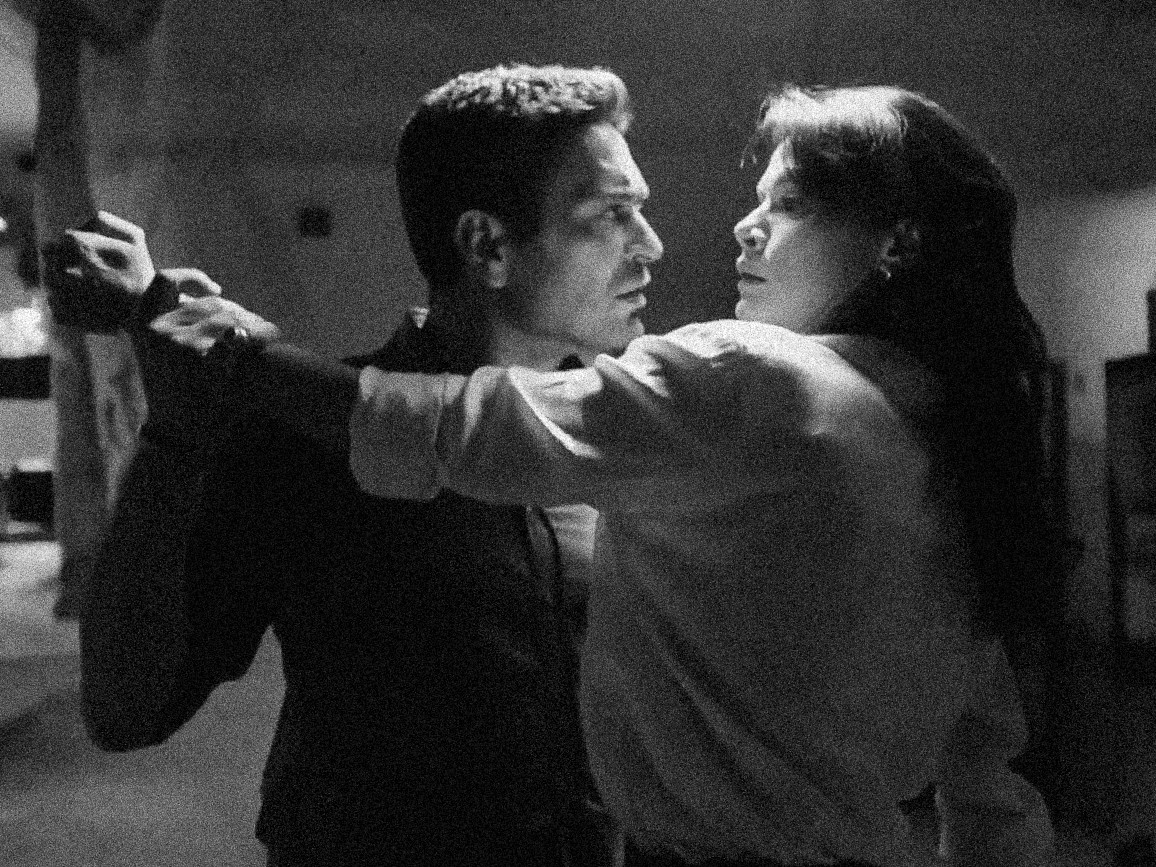
Phase 3: Episodes 12 through 15 mark a shift from tolerance to genuine attachment. This is the phase of silent connection - the phase where words become almost irrelevant because so much is being communicated through presence alone.
Eye contact holds longer than necessary. The space between them becomes charged. Small acts of care become noticed, appreciated, significant. Both show visible signs of caring about the other's pain. Cihan's stoic mask develops visible cracks. Alya begins to see Cihan not as captor but as fellow sufferer. His mask fractures completely. She sees his genuine humanity, his longing, his pain, his capacity for tenderness.
For Alya, this is psychologically transformative because it disrupts the narrative in which she has been holding him - the narrative of the controlling man, the tribal tyrant, the representative of everything that has imprisoned her.
He cannot be simply that, because she has seen him when he is alone, when the mask is not being performed, when his actual humanity emerges in all its wounded specificity. He becomes, suddenly, a wounded man trying to protect those he loves the only way he knows how.
And that distinction - between malice and trauma, between cruelty and learned inadequacy - changes everything about how she loves him.
Phase 4: By episodes 16 through 25, something profound has shifted in the body itself. This is no longer about intellectual understanding or emotional recognition. This is about the actual nervous system beginning to regulate in the presence of the other.
Cihan begins to make decisions that are no longer purely strategic. He considers Alya's wellbeing not as a secondary calculation, but as a primary concern.
Alya shows protective concern when Cihan faces danger. Physical proximity becomes sought rather than avoided. Small touches become loaded with significance. Each small gesture of care from the other signals safety to their nervous systems.
Cihan's stoicism begins to shift because Alya has proven she will not weaponize his vulnerability. Alya's defensiveness decreases because Cihan has demonstrated he prioritizes her autonomy when it conflicts with his control needs.
These are not romantic gestures in the conventional sense - they are the language of two nervous systems beginning to recognize each other as safe. Each small gesture of care is a signal transmitted to the other's autonomic nervous system: I will not destroy you. I will not leave. I will not weaponize what you have shown me.
Phase 5: The period of buried confession occurs in episodes 25 through 28. By this point, both Cihan and Alya are already deeply in love. But the love remains unspoken. Buried. Imprisoned by guilt and external pressure. Both experience internal conflict about their feelings - guilt over Boran, fear of family judgment.
The love exists. It is undeniable, omnipresent, woven through every interaction. But it cannot be named. It cannot be spoken into existence. It exists in the space between their bodies, in the silence that holds more meaning than any declaration could contain.
This liminal space is psychologically excruciating. Both of them are aware. Both of them are felt by the other. And yet the words do not come. The acknowledgment does not arrive. They exist in a state of mutual recognition that cannot be made public, cannot be made real through language.
Phase 6: The public declaration phase arrives in s2, episode 29. And then Cihan stands at the airport and speaks the words aloud. This moment could seem as a romantic climax. But It is a psychological rebellion.
It is the moment when Cihan chooses his own emotional truth over the strategic advantage he has spent his entire life protecting. He does not calculate whether the declaration will strengthen or weaken his position in the family. He does not consider whether this emotional honesty will cost him authority.
He simply names the truth: I love you.
For Alya, the moment is equally revolutionary. She chooses to stay. She chooses not to escape to Canada, not to reclaim the freedom that has always been theoretically available to her. She chooses to trust that love with this man is possible…
…despite everything, despite the coercion, despite the family, despite the ghost of Boran.
Both stand before the family and publicly claim their love. This is an act of psychological rebellion. But it is a rebellion that has been earned. Through the slow removal of illusion. Through the repeated demonstration that the other can be trusted. Through the nervous system's learned capacity to recognize safety in the presence of the beloved.
For Cihan, it represents choosing his own emotional truth over family obligation. For Alya, it represents trusting that love with this man is possible despite everything.
Why this timeline matters?
In healthy attachment development, nervous system regulation and trust-building require time to learn that safety is genuine.
The slow progression allows both of them to demonstrate through consistent behaviour that they can be trusted. It allows the removal of fantasy through extended proximity. It creates opportunity for each to see the other's actual character, not the version they initially feared or hoped for.
By the time Cihan stands at the airport and declares his love, it is not based on chemistry or romantic mythology. It has been earned. It has been built brick by brick across dozens of hours of interaction, through the patient accumulation of small truths, through the slow shattering of the walls that both of them constructed to survive.
What arrives, finally, is not love at first sight. It is love at last seeing.
… and that seeing, earned through time and proximity and the relentless insistence on authenticity, carries a weight and a truth that no amount of romantic mythology could ever match.
Part III: What makes their love so compelling
Love in its most psychological form is not recognition of a soul mate. It is recognition of actual humanity, the messy, contradictory, wounded humanity that exists beneath the persona each person presents to the world.
In healthy adult love, we recognize the other person's actual complexity: their wounds, their contradictions, their capacity for both cruelty and tenderness. We love not the fantasy version but the actual human being.
Alya recognizes in Cihan that his protective drive is not narcissistic, it does not come from a need to dominate or to exercise power for its own sake. It comes from trauma. It comes from a learned equation in which protection and possession have become indistinguishable.
She recognizes that his emotional distance is not indifference. It is defence. It is the armour of a man who has learned that to feel is to become vulnerable, and vulnerability in the system he inhabits is not safety. It is liability. His control, then, is not malice; it is anxiety. It is the anxious grasp of someone trying to prevent loss by controlling all variables.
His capacity for genuine feeling exists beneath the stoic exterior. He is capable of tenderness. He is capable of seeing another person's pain and responding with care. His love for Deniz is authentic and transformative. When Deniz says "I want to be like dad," Cihan becomes capable of vulnerability he never allowed himself before. In the presence of the child's admiration, his stoicism becomes permeable. He must become visible to the child and in becoming visible to the child, he becomes visible to Alya.
This is the slow recognition that the person you are trapped with is more complex, more wounded, more capable of feeling than you initially believed. And in that recognition - that shattering of the initial narrative - authentic love becomes possible.
Cihan's recognition of Alya undergoes a parallel transformation. He enters the household believing he has acquired a problem to be managed: a foreign woman, a liability, an obstacle to the family's control of Deniz. But he is forced to witness her actual character.
He observes that her resistance is not weakness; it is strength.
Her refusal to dissolve into gratitude for his protection, her insistence on maintaining agency even within the constraints of her situation - these are not deficits. They are evidence of a fundamental integrity.
More profoundly, he recognizes that her maternal fierceness mirrors his own protective drive. She would die for Deniz. She would sacrifice everything for the child's wellbeing. In this, she is not so different from him - she operates from the same fundamental value system, the same willingness to subsume personal desire beneath protective obligation. But where his protection has become weaponized, entangled with control, hers remains pure. It is simply the fierce love of a mother for her child, without the machinery of dominance attached.
And critically, Cihan begins to understand something that transforms his entire relational capacity: Alya's refusal to be controlled paradoxically makes her trustworthy. She is not with him because he has trapped her. She is with him because she chooses to remain. She could leave - not legally, perhaps, but existentially. She could withdraw, could maintain emotional distance, could wait for escape. That she does not, that she chooses instead to open to connection despite the coercion of their beginning - this is evidence of actual care.
Her vulnerability is not liability. Her willingness to express emotion, her capacity to name fear and need and desire, gives him permission to feel. She becomes the mirror in which he can see that emotional honesty is not weakness.
This mutual recognition creates love that is psychologically mature: each sees the other's humanity. Each acknowledges the other's wounds, their capacity for both cruelty and tenderness, their contradictions. And each chooses the other anyway - not because the other is perfect, but because the other is real.
Cihan and Alya demonstrate healthy trauma bonding for several interconnected reasons.
They don't lose individual identity. Both maintain their own values, autonomy, and agency. Cihan doesn't ask Alya to abandon her protective fierceness toward Deniz. Alya doesn't ask Cihan to renounce his family obligations entirely. Instead, they allow each other to contain multitudes - to be both protective and vulnerable, both loyal to origin and open to new love, both wounded and capable of healing.
They don't use intimacy as escape. Many trauma-bonded couples use physical or emotional intimacy to dissociate from pain. Cihan and Alya explicitly resist this pattern. They choose to move slowly on physical intimacy precisely because they want authentic connection, not avoidance. They recognize intuitively what trauma-informed psychology teaches: that rushing physical union before emotional readiness would be re-traumatizing. The body carries memory. If they merge physically before they have established emotional safety, they risk recreating the original trauma of violation. Their slowness is psychological wisdom.
They maintain realistic expectations. Both acknowledge that guilt over Boran will linger, that family opposition will continue, that their path forward is not simple resolution but ongoing complexity. They don't pretend love has solved everything. They understand that emotional integration is a process, a slow, iterative, sometimes painful unfolding of what becomes possible when two wounded people choose to remain open.
They prioritize emotional honesty. In the Season 2 premiere, they explicitly discuss their fears, insecurities, and emotional scars. This vulnerability strengthens rather than undermines their bond. They understand that true intimacy requires the courage to be seen in their actual psychological state, not in their defended persona, not in the role one plays for the family, but in the actual psychological state, with all its contradictions and fears and longings.
One of the most psychologically sophisticated elements of their relationship is how they navigate guilt, specifically, guilt over loving each other while believed that Boran was dead.
Sadakat weaponizes this guilt repeatedly, accusing them of betraying Boran's memory by making their marriage real. Yet Cihan's response is psychologically healthy and mature. He says: "Love isn't something you can control, and my feelings for Alya are not a betrayal of Boran. Loving Alya is a choice I'm making freely and without shame."
This is profound because Cihan is distinguishing between responsibility for one's feelings and responsibility for one's choices. You do not have control over what you feel. You cannot choose to stop loving someone through an act of will. The guilt that Sadakat attempts to impose - you should not feel this way - is not just morally inappropriate; it is neurologically harmful. It requires that a person alienate themselves from their own emotional reality, which is the definition of psychological trauma.
But you do have control over what you choose to do with those feelings. Here is where moral agency lies. He is saying: "I did not choose to fall in love with Alya. But I choose to honour that love openly. This is not betrayal; this is integrity."
Integrity, the alignment of inner feeling with outer expression, is the opposite of betrayal. Betrayal is the secret, the lie, the hidden contradiction between what you feel and what you claim. Integrity is the courageous naming of what is actually true.
Alya's role in this integration is equally important. She validates this perspective by assuring him that "loving each other doesn't mean we've forgotten Boran. It just means we're choosing life and starting over." Together, they're doing something psychologically essential: integrating loss and new love rather than requiring that one cancels out the other.
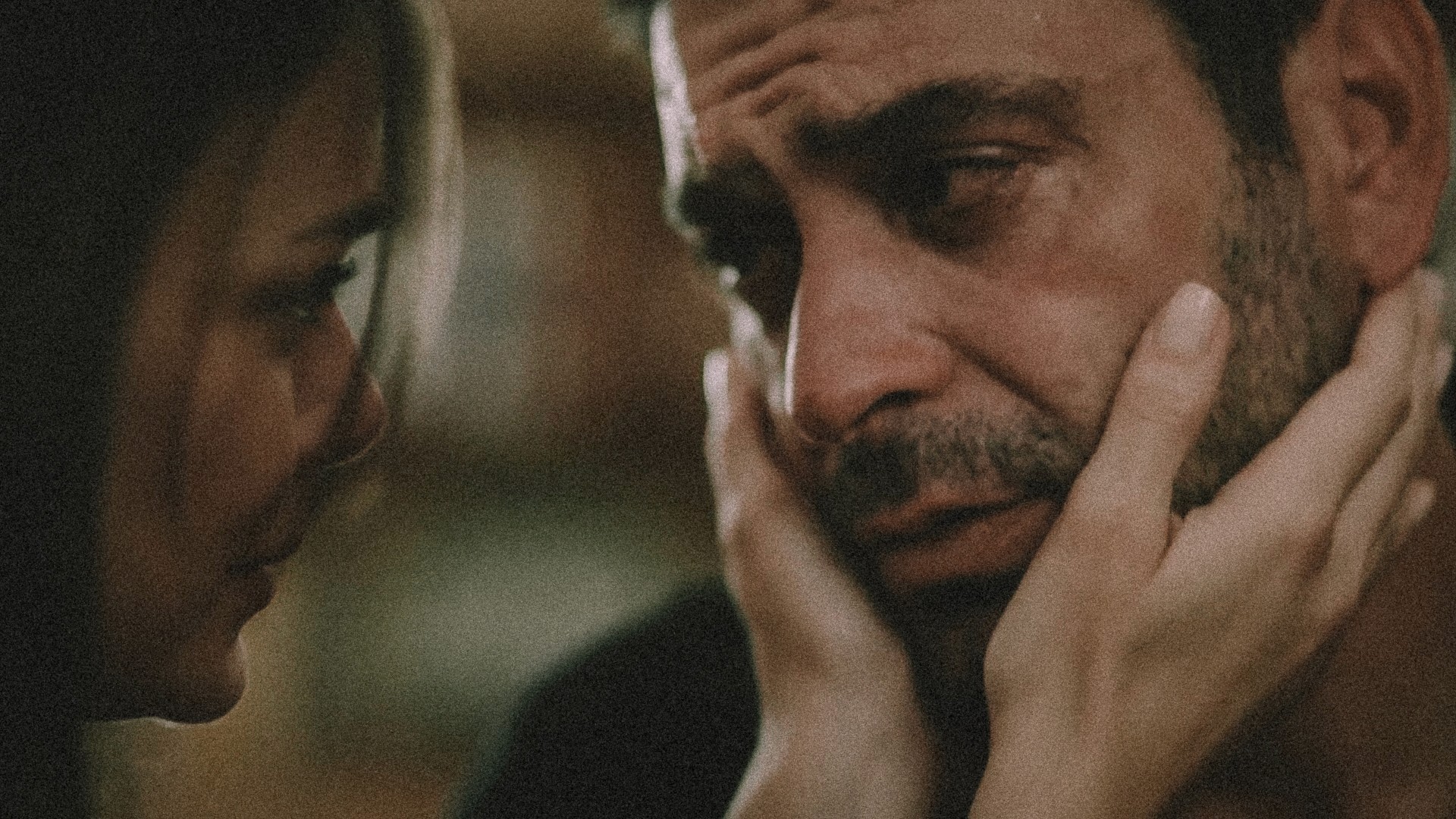
A quiet rebellion of choosing oneself
When Cihan stands at the airport and declares his love publicly, when Alya chooses to stay despite having the theoretical possibility of escape, they are committing an act of psychological rebellion. They are choosing their own emotional truth over the expectations of the system that raised them. They are prioritizing their own integrity over external approval.
For Cihan, this is a betrayal of everything the family system has taught him: that duty comes before feeling, that control is love, that sacrifice is the highest virtue. He is saying: My feeling matters. My choice matters. My happiness is not a luxury that must be postponed until everyone else's needs are met.
For Alya, it is an equally radical choice. She is choosing to trust that love with this man is possible despite the coercion, despite the system, despite the ghost of Boran. She is choosing to believe that what has developed between them is genuine, not simply Stockholm syndrome or trauma bonding in its most pathological form.
And yet their rebellion is not adolescent or reckless. It is grounded in months of evidence, in the slow demonstration of trustworthiness, in the repeated choice to remain open despite the vulnerability that openness requires. They have earned the right to this declaration through the patient, exhausting work of actually knowing each other.
What makes their love compelling is not that it is easy or romantic or mythological. It is compelling precisely because it is difficult and honest and real because it demands that both people remain psychologically conscious, emotionally vulnerable, and ethically integrated. It demands that they continually choose each other not because the choice is mandated, but because the choice reflects their actual values.
This is what love looks like when mythology falls away. This is what remains.
Part IV: Attachment patterns - Why they work despite opposite styles
Cihan and Alya do not just come to each other as man and woman; they arrive as attachment systems wired by different ghosts. His is the ghost of abandonment and the terror of losing control. Hers is the ghost of rejection and the terror of disappearing inside someone else. Their love works not because these tendencies vanish, but because, under pressure, they begin to rewire each other rather than repeat the same harm.
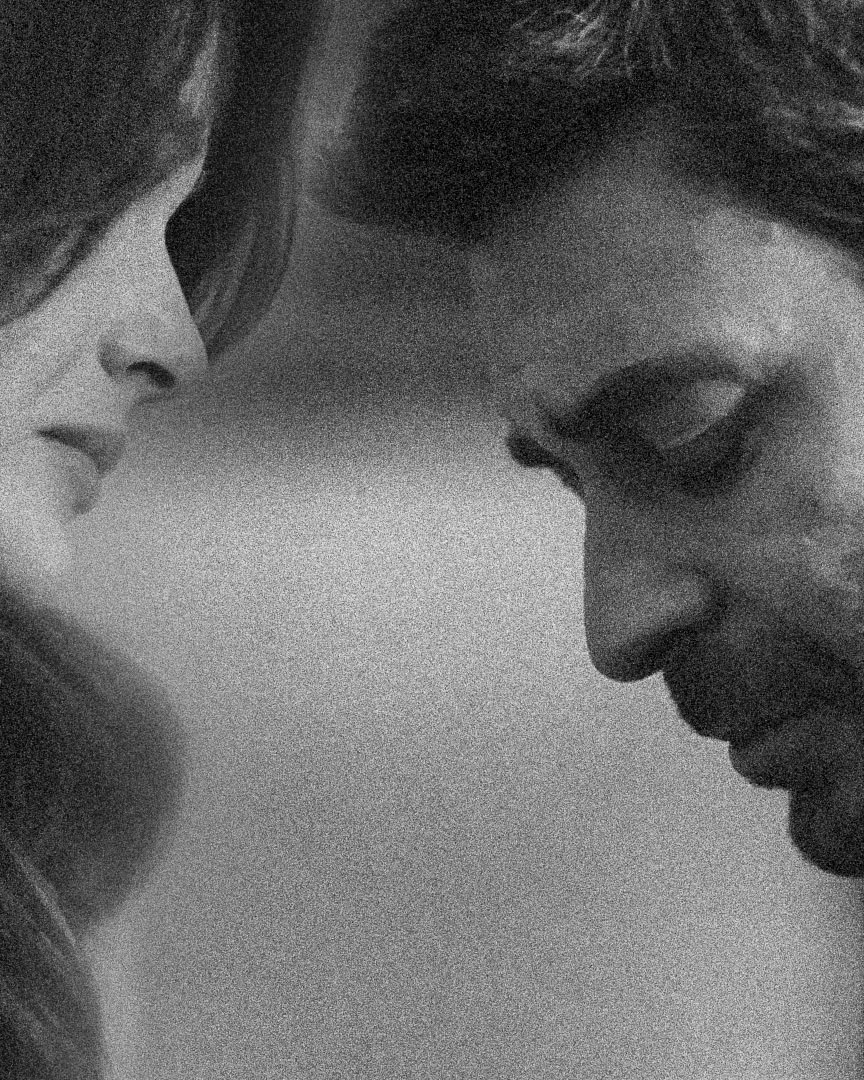
Cihan: from avoidant armour to earned vulnerability
Cihan enters the relationship with classic avoidant attachment patterns. Emotional distance serves as protection. He trusts logic and remains sceptical of emotion. Control functions as his security strategy. He has internalized the belief that vulnerability equals weakness.
His transformation occurs gradually as Alya repeatedly demonstrates that she will choose him even when not controlled.
She proves that her autonomy strengthens rather than threatens their bond. She does not become “manageable.” She becomes consistent. She stays even when she is not controlled. She protects Deniz fiercely. She challenges him, resists him, argues with him and still chooses him when it counts.
Slowly, his nervous system receives a new message: someone can remain without being owned. Her independence does not signal impending abandonment; it becomes proof that her presence is chosen. The equation inside him shifts:
control no longer feels like the only way to keep love
emotion no longer feels like a crack in the armour, but like the only way to be fully seen
standing against his family for Alya does not feel like a collapse of duty, but like the first honest alignment between what he feels and what he does
By s2, Cihan becomes capable of expressing emotions openly. He allows himself to be vulnerable in front of others. He makes decisions based on emotional truth rather than pure strategy. He stands against family authority for his love. He lets Alya see him afraid, exhausted, and torn between blood and love and discovers that instead of losing respect, he gains intimacy.
His avoidant armour does not disappear; it softens. With Alya, vulnerability no longer equals annihilation. It becomes survivable. It becomes necessary.
Alya: From anxious hypervigilance to grounded trust
Alya arrives wired for anxious attachment: always scanning for threat, bracing for rejection, ready to fight the moment she feels trapped. She expects that love will demand her self-erasure. She expects that accepting protection will mean surrendering autonomy.
Her body is used to reading closeness as danger: If I lean, I’ll be owned. If I soften, I’ll disappear.
Cihan begins to rewrite this script not through words, but through patterned action:
he protects without demanding obedience as payment
he intervenes for her and Deniz’s safety, yet does not insist she become small to deserve it
when he finally declares his love, he does so not in secret but against his own family, staking his status and authority on the truth of what he feels.
Slowly, Alya learns that:
safety does not have to mean self-sacrifice
accepting help does not automatically equal losing herself
dependence and independence can coexist; that leaning does not require disappearing.
When Cihan publicly claims her (knowing Sadakat will see it as betrayal), her core fear shifts. The question is no longer, “Will I be abandoned?” but, “Can I allow myself to stay?”
By Season 2, staying is no longer a prison; it is a choice. She accepts his protection without surrendering her fire. She lets herself be held, not as property, but as partner.
Why opposite attachment styles create strong bonds?
Opposite attachment styles can easily become a nightmare: avoidant pulling away, anxious chasing, both confirming each other’s deepest fears. Yet when growth is chosen, they become strangely complementary.
For Cihan and Alya, this complementarity unfolds like this:
Alya teaches Cihan that feeling does not destroy him. Her emotional clarity, her naming of fear, love, jealousy, and hurt, invites him out of exile. She proves that when he shows emotion, she doesn’t weaponize it or run; she draws closer.
Cihan teaches Alya that stability does not have to be control. His grounded presence, once softened, offers a steady base that does not demand her dimming. He does not ask her to stop being fierce, only to let that fierceness rest sometimes in shared responsibility.
In this alchemy his old avoidant pattern - “I must not need anyone” - is rewritten into, “I can need her and still be strong.” Her old anxious pattern- “Love will consume me or abandon me”- is rewritten into, “I can stay fully myself and still be held.”
Their opposite styles, once turned toward security, become a kind of emotional architecture:
the formerly avoidant partner brings stability, structure, and the capacity to stand firm when storms hit
the formerly anxious partner brings emotional expressiveness, warmth, and the courage to name what the other would rather bury.
Together, they build a bond where:
closeness doesn’t mean collapse
distance doesn’t mean rejection
dependence is not the end of independence, but its echo in relationship.
What makes Cihan and Alya compelling is not that they cure each other’s wounds, but that they become the first safe place where those wounds can be seen without being repeated. Their love is not two halves making a whole; it is two unfinished people becoming more coherent, more regulated, more emotionally honest in each other’s presence.
They do not fix each other. They witness each other until fixing is no longer the goal - only truth is. And from that truth, a new kind of attachment grows: not avoidant, not anxious, but something harder earned and more sacred: chosen security.
Part V: The narrative of slow physical intimacy
One of the most psychologically nuanced aspects of their relationship is how the show prioritizes emotional intimacy over physical intimacy. They do not seal their love with skin until the episode 42.
They pause. And in that pause lies the deepest intimacy the series offers: a testament to love that honours the unfinished architecture of the soul.
In Season 2, Episode 29, after their confession and public declaration, Cihan and Alya still choose not to consummate their marriage immediately. Cihan and Alya choose the conversation. They name what still lingers: the ghost of Boran as unfinished grief.
Guilt here is a physiological reality, a barrier constructed by the nervous system that cannot be willed away by desire. They recognize, with a clarity rare in storytelling, that physical intimacy before emotional readiness would not be union. It would be violence, re-traumatizing the very wounds their love has begun to heal.
The series presents this as emotional integrity. They understand what psychology teaches but media rarely shows: the body carries memory. To merge physically while the psyche still fractures would be to repeat the original trauma of coercion, of possession mistaken for love. Their explicit reasoning demonstrates psychological sophistication: neither is emotionally ready for physical intimacy.
What unfolds in this delay is something more penetrating than flesh could offer: the mutual witnessing of unfinished souls. They sit together not as husband and wife in the mythological sense, but as two people who have seen each other's contradictions and chosen anyway. They name the guilt. They acknowledge the fear that love might still demand erasure.
This conversation becomes their consummation. Vulnerability spoken aloud becomes more intimate than touch. Because touch can be performed. Touch can be passion without presence. But to name one's fractures, to allow the other to witness the unhealed places without demanding repair, requires a courage that transcends the physical.
Here, emotional intimacy reveals itself as deeper than the erotic.
It is the culmination of all the psychological work that preceded it: the sixty hours of proximity, the slow shattering of defenses, the mutual recognition of actual humanity. Physical intimacy, when it arrives later, will not be the beginning of their love. It will be its expression; the natural overflow of souls that have already met in the more vulnerable territory of truth.
In choosing delay, Cihan and Alya model a psychological sophistication that popular media rarely permits. They understand that physical union is not a substitute for emotional work. It cannot fill voids, cannot escape pain, cannot prove what words and actions have not yet earned. Rushing the body would dishonour the soul's pacing.
Instead, they demonstrate that love can be complete without consummation. That respect for the other's unreadiness is itself an act of devotion. That the willingness to sit in the liminal space between confession and union, holding the tension without resolution, is the truest measure of commitment.
This narrative choice subverts every romantic trope. It refuses the lie that bodies must merge to validate feeling. It insists that the most erotic moments are not naked skin, but naked psyches: two people allowing themselves to be seen in their hesitation, their doubt, their still-healing places.
When physical intimacy finally arrived in the episode 42, it was not the climax of their story. It was the epilogue to emotional work already complete. The delay has made the union sacred, not because it was withheld, but because it was earned.
In this, Cihan and Alya teach what mythology obscures: true intimacy is not the collision of flesh, but the patient convergence of psyches. Love does not need consummation to be whole. Sometimes, the deepest union occurs precisely when bodies wait and souls go first.
Part VI: Standing against the family system
One of the most psychologically significant moments in their love story comes when they publicly declare their love to Sadakat, Mine, and the entire family structure.
For Cihan, this represents standing against his mother, the first truly open defiance of Sadakat's narcissistic control. He is not only choosing Alya; he is committing an act of psychological rebellion so profound it might be called birth - the belated emergence of a self that can exist separate from and opposed to the family's demands.

To understand what Cihan's declaration costs, one must first understand what Sadakat has constructed.
She is not a villain in the cartoonish sense. She is the architect of a system in which all love must flow through her, in which all autonomy is rebranded as betrayal, in which Cihan's entire identity has been tethered to his usefulness to the family's survival.
Sadakat raised him not as a son, but as an instrument. His strength was cultivated not for his own flourishing, but for the family's protection. His emotions were not nurtured; they were suppressed, redirected, weaponized.
Love, in Sadakat's world, is not a gift; it is a debt. And Cihan has been in debt his entire life.
This is the psychology of the narcissistic family: the child exists to serve the parent's needs, and any attempt to claim an independent emotional life is reframed as abandonment, as cruelty, as moral degeneracy. Sadakat has trained Cihan to believe that choosing himself would be choosing against everyone who depends on him. That to prioritize his own emotional truth would be an act of violence against the family's cohesion.
When Alya first arrived, Sadakat saw her as a threat not to Cihan's wellbeing, but to Cihan's compliance. Alya represented the possibility that Cihan might choose something outside the machinery of obligation. And so Sadakat moved to contain her, to exile her, to transform her into a figure of guilt and blame; the woman responsible for Boran's death, the outsider who does not understand the family's sacred bonds.
By standing against his mother, Cihan is essentially saying: "My emotional truth matters. I am choosing myself."
This represents what psychologists call successful individuation from the narcissistic system - the development of a self that can exist separate from and opposed to the family's demands.
The psychological significance of this cannot be overstated. For decades, Cihan has operated under the implicit contract that his feelings are less important than the family's stability. That his happiness is selfish. That love, if it arrives at all, must be strategic: arranged, controlled, subordinated to the family's larger needs. To declare love for Alya, the foreign woman, the accused, the one Sadakat has positioned as the enemy, is to tear up that contract entirely.
This is not a small rebellion. This is the shattering of the entire architecture of selfhood that Sadakat constructed inside him. It is terrifying. It is disorienting. And it is absolutely necessary.
For Alya, the public declaration carries a different but equally profound weight. She is not individuating from the family. She has never been of the family. She is the outsider, the foreigner, the woman who does not speak the language of tribal obligation, who values autonomy over belonging.
When she stands beside Cihan and claims her love openly, she is not submitting to the family system. She is claiming her right to belong on her own terms.
This is the paradox of Alya's position: she must assert belonging while refusing assimilation. She must claim her place in the family without becoming what the family demands. And in declaring her love publicly, despite the guilt Sadakat weaponizes, despite the pressure designed to make her feel shame, she is performing her own act of psychological rebellion.
The narcissistic family's response
Sadakat's reaction is entirely predictable and reveals the family system's pathology. She does not celebrate her son's happiness. She does not acknowledge Alya's courage. Instead, she immediately reframes their love as betrayal of Boran. She weaponizes guilt and moral judgment. She attempts to make their personal happiness a family trauma. She cannot tolerate that Cihan has chosen something outside her control.
Psychologically, this is the family system attempting to reclaim control through guilt and shame. It's what happens when a narcissistic parent faces a family member's individuation: the parent escalates emotional manipulation to reassert authority.
The child's autonomy is reframed as abandonment. The child's happiness is reframed as cruelty. The entire family system is mobilized to pressure the individuating member back into compliance.
She weaponizes the ghost of the dead son, transforms grief into guilt, and positions herself as the guardian of moral order.
This is not genuine grief. This is control disguised as mourning. Sadakat is not mourning Boran; she is mourning her authority. She cannot tolerate that Cihan has chosen something outside her orchestration. She cannot tolerate that her power over him has fractured.
Cihan's response represents successful individuation. What makes Cihan's response so psychologically significant is that he does not retreat. He does not apologize. He does not soften his declaration to make it more palatable. He does not attempt to reassure Sadakat that his love for Alya will not disrupt the family's existing power structure.
He simply stands firm.
This is the deepest possible victory in a narcissistic family context: not escape through physical distance, but psychological freedom while remaining connected.
But he has established an interior boundary that Sadakat can no longer penetrate. He has claimed psychological autonomy. He has demonstrated that he can hold his own emotional truth even when that truth opposes the family's demands.
This is what successful individuation looks like. He no longer needs the family's permission to love.
He has become, finally, himself.
Alya and Cihan: united in rebellion
When Alya stands beside Cihan and echoes his clarity -"Loving each other doesn't mean we've forgotten Boran. It just means we're choosing life and starting over" - they become a united front against the narcissistic machine.
Together, they are modelling something the family system cannot comprehend: that love can coexist with loss, that joy does not erase grief, that choosing oneself is not the same as abandoning others.
They are integrating rather than polarizing. They are refusing the false binary that the narcissistic family presents: either you obey and belong, or you individuate and become exiled. Instead, they are creating a third option: we remain connected, but we remain ourselves.
This is the ultimate threat to a narcissistic system. Not the child who leaves entirely, but the child who stays and refuses to comply. The child who loves the family without submitting to the family's control. The child who honours obligation without allowing obligation to erase desire.
Cihan and Alya's public declaration is not just a romantic gesture. It is a declaration of war against the machinery of inherited guilt, against the weaponization of grief, against the narcissistic demand that all love flow through and be sanctioned by the parent's authority.
It is the moment when two people choose life over compliance, truth over approval, love over fear.
And in that choice, they do not just claim each other. They claim themselves.
Part VII: Deniz as the third character in their love story
Why Deniz matters profoundly?
Cihan and Alya's love story is complicated and deepened by the presence of Deniz, the child who is simultaneously the reason they married, a third party to their intimacy, a representation of Boran in Alya's life, and a representation of family legacy for Cihan, and ultimately, the site of Cihan's deepest transformation.
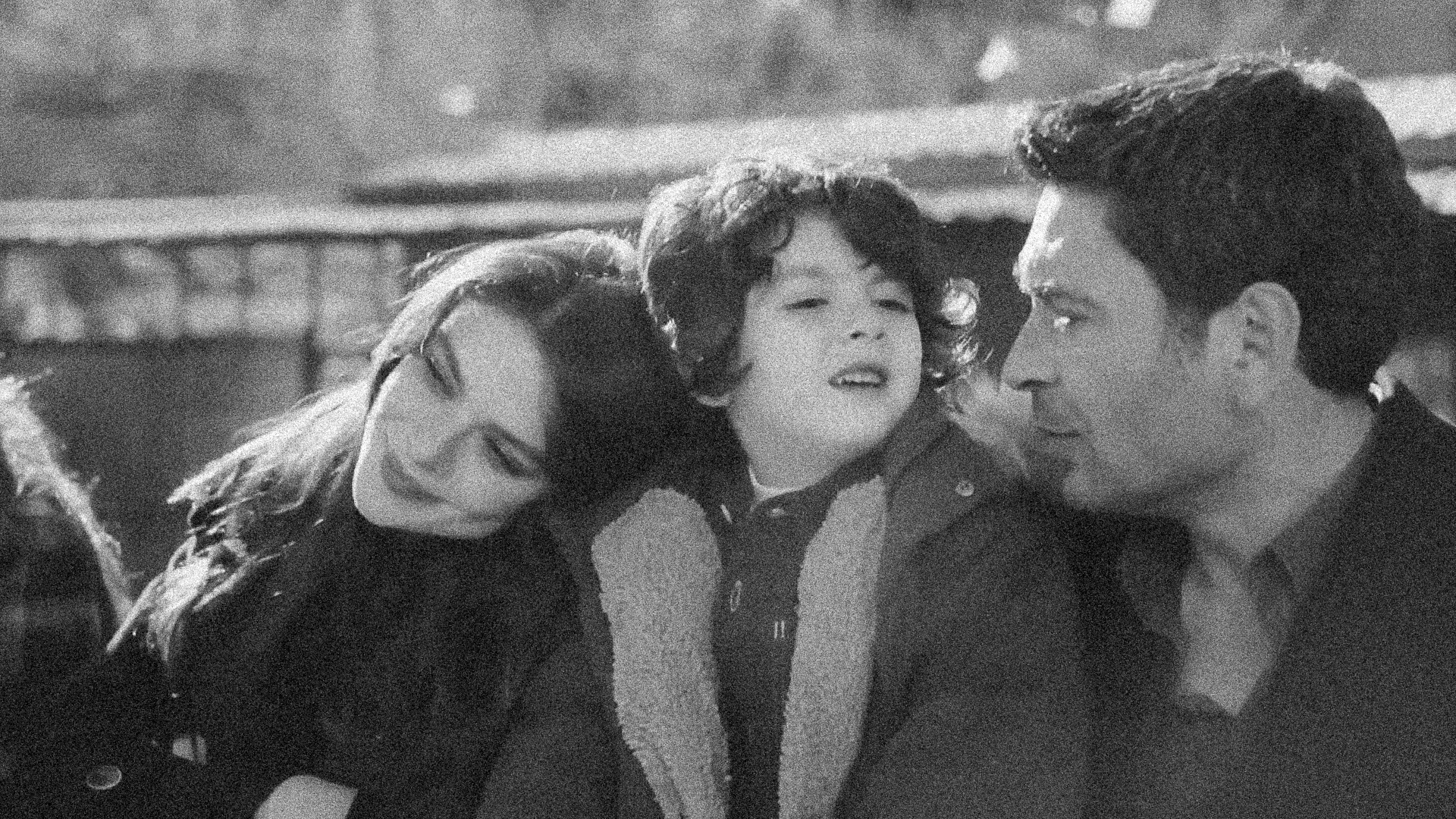
When Deniz says "I want to be like dad", referring to the living presence of Cihan, something fractures and heals simultaneously across three psyches:
For Alya this moment is grief wrapped in relief. She must watch her son's heart perform an act of transference she cannot control. The gradual replacement of one father with another, the slow eclipse of Boran's memory by Cihan's daily presence.
And yet, beneath the grief is something else - relief that her son has found safety, that Cihan has become not a replacement but an addition, that Deniz is not trapped in mourning but is opening to the possibility of new attachment.
Alya must hold both truths at once: the loss of what was, and the gratitude for what is becoming. This holding of this refusal to collapse into either pure grief or pure relief, is its own form of psychological maturity
For Cihan, Deniz's admiration represents something he has never received from his own mother: unconditional positive regard. Sadakat's love, if it can be called love, has always been transactional: earned through obedience, performance, usefulness to the family's survival. Cihan learned early that love is not freely given; it is a reward for compliance.
But Deniz does not love Cihan because he is useful.
Deniz loves him because of who he is, the way he speaks to the boy with gentleness, the way he teaches without demanding perfection, the way his severity softens when Deniz enters the room. The boy sees past the stoic mask and loves the man beneath it. This is the kind of love Cihan has been starving for his entire life.
When Deniz says he wants to be like him, Cihan must confront something terrifying and sacred: he has become worthy of imitation not through control or dominance, but through presence. The boy's admiration is not fear disguised as respect. It is genuine love.
…and genuine love, when you have never received it, is almost unbearable in its purity.
For their relationship: Deniz becomes the thread that binds Cihan and Alya into something larger than a couple. Cihan cannot love Alya without loving Deniz. The two are inseparable. His care for the boy is not performance, not strategy to win Alya's approval. It is its own authentic attachment.
And Alya, watching Cihan with her son, sees not the controlling man who trapped her, but the father Deniz deserves. They are no longer two people navigating trauma.
They are a family system: a triad where love flows in multiple directions, where each person's wellbeing is woven into the others', where the healing of one becomes the healing of all.
The cycle breaking in real time
What makes Cihan's relationship with Deniz psychologically profound is that it represents the active breaking of generational trauma. Cihan was raised by a narcissistic mother who demanded obedience, who weaponized guilt, who treated his emotions as liabilities. He learned that love is control, that protection is possession, that vulnerability is weakness.
With Deniz, he does not repeat this pattern. He does not soften it. He shatters it.
Cihan allows Deniz autonomy. He does not demand that the boy become a miniature version of himself, does not impose a predetermined identity, does not require achievement as proof of worth. He lets Deniz be a child, messy, imperfect, still learning, still becoming.
He models emotional vulnerability. When Cihan is afraid, when he is uncertain, when he must make difficult choices, he does not hide behind stoicism. He lets Deniz see that even strong men feel, that emotional honesty is not weakness but courage.
He does not require Deniz to earn his love through obedience. There is no transaction here, no conditional approval. Cihan's care for Deniz is not contingent on the boy's compliance. It is freely given; the kind of love that does not keep score, does not demand repayment, does not withdraw when the child fails to meet expectations.
He supports Deniz's individual identity rather than shaping him into a role. Cihan does not look at the boy and see a future head of the Albora family, a vessel for tribal legacy, a tool for the family's survival.
He sees Deniz. …a specific, irreplaceable person with his own desires, fears, and potential. And he honors that specificity.
This is what breaking the cycle actually looks like. Not the vague promise to "do better," but the daily, embodied practice of offering a child what you yourself were denied. Cihan is becoming to Deniz the father he never had and not through repeating Sadakat's patterns in a softer form, but through genuinely unlearning them.
Cihan's deepest redemption
Cihan's transformation as a father is his deepest redemption, deeper even than his love for Alya, because it represents the integration of all the psychological work he has done.
With Alya, he learned that vulnerability does not destroy him. With Deniz, he learns that offering unconditional love does not diminish him.
He has spent his entire life believing that love must be controlled, that attachment is dangerous, that the heart must be subordinated to strategy. But Deniz teaches him something his mother never could: that the capacity to love freely is not weakness. Without possession, without condition, without the need to dominate. It is the ultimate strength.
When Cihan holds Deniz, when he teaches him, when he lets the boy see his fear and his hope, he is offering something that was withheld from him. And in that offering, he is not just healing Deniz. He is healing himself. He is becoming, retroactively, the parent his own inner child needed and in becoming that parent for Deniz, he is finally able to release the grief of what he never received.
This is the psychological alchemy of breaking cycles: you cannot undo your own childhood, but you can ensure that the child before you receives what you were denied. And in giving that gift, you discover that you are capable of the very love you thought was impossible.
The family as the completion of the love story
Deniz does not complicate Cihan and Alya's love. He completes it.
Without him, their relationship would remain a pair - two people healing each other in isolation. With him, it becomes something richer and more complex: a family where each person's transformation depends on the others', where love is not exclusive but generative, where the child witnesses the adults becoming whole.
Deniz sees Cihan and Alya choose each other despite the family's opposition. He watches them navigate guilt, fear, and desire with honesty. He observes that love is not performance but process. Messy, uncertain, requiring courage. And in witnessing their love, he learns what healthy attachment looks like. He learns that adults can be vulnerable without collapsing. That conflict can be resolved without violence. That love does not require one person to disappear.
This is the gift Cihan and Alya give Deniz without realizing it: they are modelling what neither of them received in their own childhoods: a relationship where both people remain themselves while choosing connection, where autonomy and intimacy coexist, where vulnerability is met with care rather than exploitation.
And Deniz, in turn, gives them something equally profound: he becomes the witness to their transformation.
His presence demands that they become the adults they claim to be not in words, but in embodied action. They cannot claim to love each other while modelling dysfunction to the child. They must be the love they profess. And in rising to meet his needs, they rise to meet their own potential.
The third presence as sacred mirror
In the end, Deniz is not an obstacle to Cihan and Alya's intimacy. He is the sacred mirror that reflects back to them the people they are capable of becoming. He is the boy who says, "I want to be like you," and forces Cihan to confront whether he is worthy of that admiration. He is the child who needs a mother's fierce protection and a father's steady presence, and in meeting those needs, Cihan and Alya discover that they are capable of more love than they believed possible.
Their love story is not complete when they confess to each other. It is complete when they become, together, the parents Deniz deserves and in becoming those parents, they finally heal the children they once were.
Part VIII: The quiet revolution of choosing psychological maturity
What makes Cihan and Alya's love revolutionary is not its intensity but its maturity. It does not offer the mythology of effortless passion, of destiny overcoming all obstacles, of love as magic that transforms suffering into bliss.
Instead, it offers something harder and more honest: love as psychological work, love as conscious choice, love as the daily practice of seeing and being seen, of choosing and being chosen, of remaining autonomous while building connection.

This is love that does not promise to complete you but invites you to become more fully yourself. Love that does not erase your wounds but offers a safe space in which those wounds can finally be acknowledged and slowly, incrementally healed. Love that does not demand perfection but requires honesty, not fusion but partnership, not the abdication of self but the courageous claiming of self in relation.
When Cihan and Alya stand at the airport and declare their love, they are not claiming that their story is over. They are claiming that it has finally, truly begun. That the work of building a life together, with all its complexity and difficulty and ongoing negotiation, is work they choose to undertake. Not because it will be easy, but because it will be real.
And in a world saturated with romantic mythology, reality as messy, complicated, psychologically demanding is the rarest and most precious gift love can offer.
This is what their story reveals: that the truest love is not the one that arrives fully formed, but the one that is built brick by brick, choice by choice, moment by moment by two people who have seen each other completely and decided, against all odds and all obstacles, that this is the person with whom they will attempt the impossible work of becoming whole.
Part IX: Why viewers become addicted to their love story
Cihan and Alya's love is psychologically compelling because it offers something rare in popular media: a realistic model of mature adult love. Most romantic narratives operate from fantasy models where instant attraction and chemistry precede everything else, physical union happens quickly, love solves all problems, the couple stands united against the world, and happily ever after erases past suffering.
Cihan and Alya's love does none of these things.
Instead, it offers slow recognition and deepening respect rather than instant attraction. Emotional intimacy takes priority over physical, developing across dozens of hours before any physical expression. Love exists alongside continuing problems rather than solving them. Love requires standing up to oppressive family systems, not just against external enemies. Love acknowledges that loss will continue to exist even as new love grows.
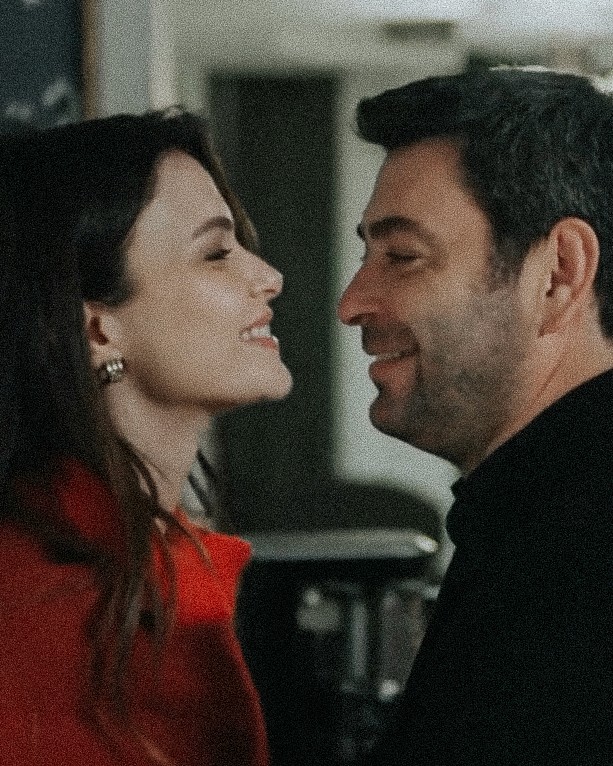
Why viewers become addicted to this narrative makes psychological sense. Not everyone is caught deep into psychological aspects, but many are.
If your own love stories have been based on fantasy projections that collapsed when reality emerged, rushed into physical intimacy before emotional safety was established, presented as solutions when they couldn't solve your fundamental wounds, or dependent on the other person changing or performing a certain role, then watching Cihan and Alya model authentic adult love becomes psychologically attractive to your unconscious needs.
This is like a proof that genuine love exists, that it can develop in impossible circumstances, that vulnerability can lead to connection rather than abandonment.
Part X: The psychological message of their love
If we step back from the narrative details, Cihan and Alya's love story contains a profound psychological message: that authentic love is possible even, and perhaps especially, in the most unlikely circumstances.
There is a particular hunger that arises when you have spent years consuming romantic mythology and discovered, through lived experience, that none of it maps onto the actual territory of adult love.
The instant attraction that was supposed to signal destiny. The chemistry that was supposed to sustain everything. The grand gesture that was supposed to heal all wounds. None of it worked. None of it lasted. And in the wreckage of those failed fantasies, a question forms: Does genuine love even exist?
Cihan and Alya's love story becomes addictive precisely because it answers that question. And not with reassurance, but with recognition.
It offers something so rare in popular media that viewers experience it almost as revelation: a realistic model of mature adult love, built not on mythology but on the messy, difficult, psychologically demanding work of actually knowing another person and choosing them anyway.
The fantasy model vs. The reality they offer
Most romantic narratives operate from a template so ubiquitous it has become invisible. The fantasy model suggests:
Instant attraction and chemistry precede everything else. Love announces itself in a glance, a collision, a moment of recognition. The soul knows before the mind can articulate.
Physical union happens quickly. The body becomes the proof of feeling. Sex seals the bond, validates the attraction, transforms strangers into lovers.
Love solves all problems. The couple's connection becomes a kind of redemption, erasing past trauma, healing old wounds, transforming suffering into bliss.
The couple stands united against the world. External enemies threaten, but internal conflict is minimal. Love creates a fortress of two against everyone else.
Happily ever after erases past suffering. The ending arrives as closure. The lovers are complete, their wounds healed, their future secure.
Cihan and Alya's love does none of these things.
Instead, their story offers:
Slow recognition and deepening respect rather than instant attraction. They do not fall in love in a moment. They fall into understanding across months, through proximity that strips away the possibility of fantasy, through the forced witnessing of each other's actual character.
Emotional intimacy takes priority over physical, developing across dozens of hours before any physical expression. They choose restraint. They prioritize readiness. They understand that the body cannot heal what the soul has not yet integrated.
Love exists alongside continuing problems rather than solving them. Their confession does not erase Boran's ghost, does not dissolve Sadakat's opposition, does not transform the family system. It simply creates a new relationship to those problems - one grounded in partnership rather than isolation.
Love requires standing up to oppressive family systems, not just against external enemies. The greatest threat is not an outside villain but the narcissistic machinery of the family itself and confronting that machinery demands psychological courage far greater than defeating a stranger.
Love acknowledges that loss will continue to exist even as new love grows. Boran does not disappear. Grief does not vanish. The past is not erased. Instead, it is integrated, carried alongside new love rather than replaced by it.
This divergence is the source of its psychological power.
The proof that genuine love exists
For viewers who have been wounded by love - who have believed and been disappointed, who have trusted and been betrayed, who have opened and been abandoned - Cihan and Alya's story becomes something almost sacred: proof that genuine love exists.
Not love as mythology promises it. Not effortless, not destiny, not the cure for all suffering. But love as it actually unfolds between two people who are willing to do the work; the slow, unglamorous, psychologically demanding work of seeing and being seen, of choosing and being chosen, of remaining vulnerable even when every past wound screams that vulnerability leads only to pain.
The series demonstrates that:
Love can develop in impossible circumstances. Coercion can become the unexpected container for authentic connection. What begins as captivity can transform into chosen partnership because two people chose to build something real within the constraints they were given.
Vulnerability can lead to connection rather than abandonment. When Cihan allows Alya to see his fear, his doubt, his wounds, she does not leave. She draws closer. When Alya reveals her exhaustion, her grief, her resistance, Cihan does not demand she perform strength. He meets her where she is.
Growth is possible even within oppressive systems. Cihan and Alya do not escape Mardin to find love. They find love within Mardin, despite the family's opposition, despite the narcissistic machinery, despite every obstacle the system places in their path. They prove that psychological freedom is possible even when physical freedom is constrained.
Integration is more honest than erasure. They do not erase Boran to make room for their love. They integrate him, honour his memory while choosing life, acknowledge loss while opening to new connection. This integration validates what many viewers know from experience: that moving forward does not require forgetting what came before.
The addiction as psychological necessity from my perspective
This series is not escapism. This is recognition. The series does not offer a fantasy to escape into. It offers a mirror to see oneself in. And in that seeing, a kind of validation that what a person have lived, what she or he have struggled with, what have questioned about themselves and about love, is not pathology. It is the human condition.
For me, the compulsion to return to this story, episode after episode, is doesn't mean like not having any serious purpose or value. It is the psyche's attempt to internalize a new model, to rewire old patterns, to replace the failed fantasies with something more durable and true.
I understand that many doesn't get too deep psychologically and that those are just witnessing great chemistry between Ozan and Sinem, great acting, or compelling storyline. But for many, it is more personal as I mentioned - it is like a mirror of seeing oneself.
Each time those people watch Cihan choose vulnerability over control, their own nervous system receives new evidence that vulnerability can be safe. Each time they watch Alya maintain her autonomy while opening to connection, they receive permission to believe that they do not have to disappear to be loved. Each time they watch them navigate conflict with honesty rather than performance, they learn that disagreement does not mean dissolution, that love can survive the truth.
The series becomes a kind of reparative experience, not therapy, exactly, but something therapeutic. A chance to witness what you needed to see modelled but never were. A chance to internalize, through repeated exposure, that mature adult love is possible, that it can be built even in impossible circumstances, that the work of becoming psychologically honest with another person is difficult but not impossible.
Why we cannot look away from this love story
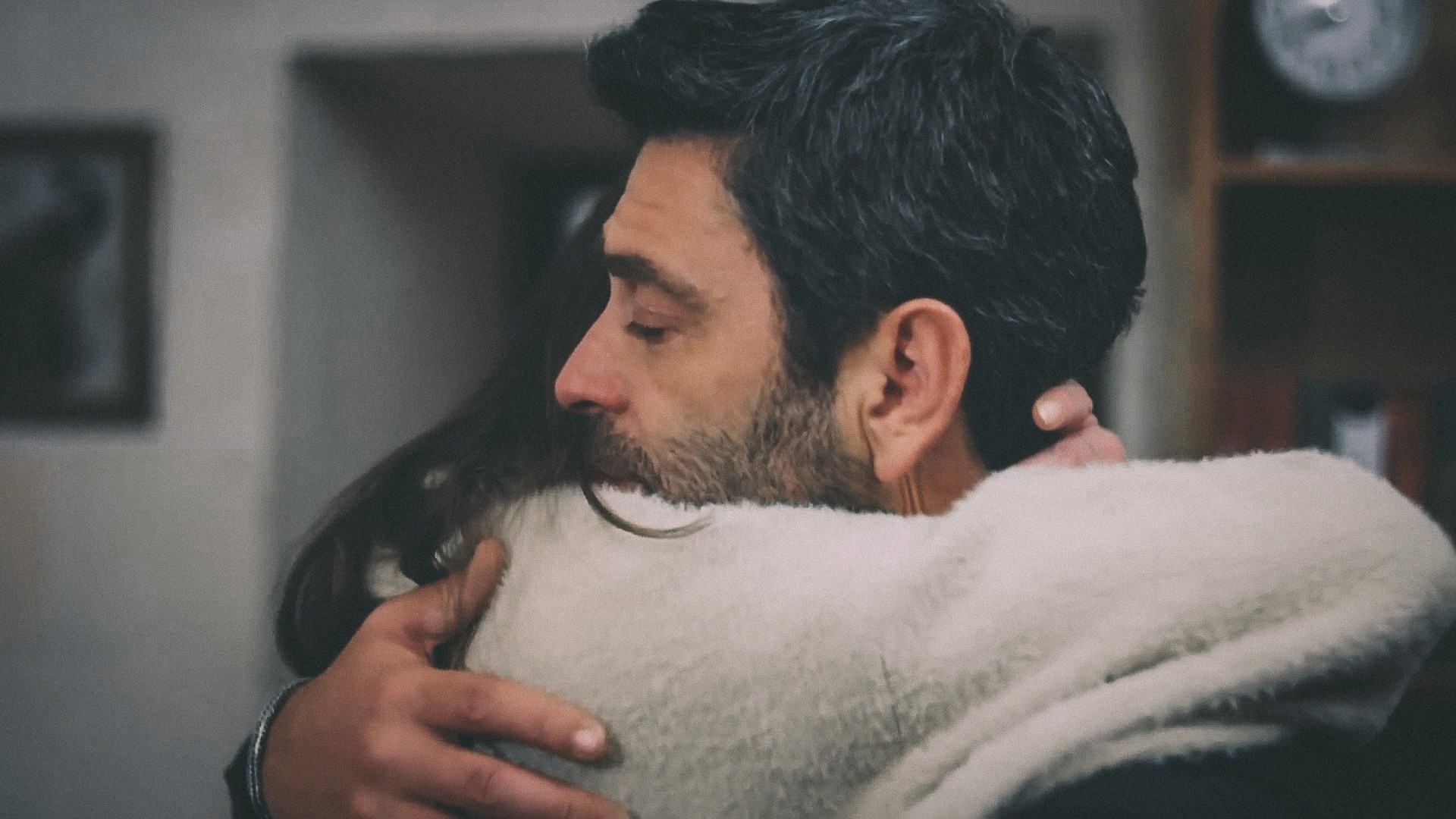
We cannot look away because Cihan and Alya are doing something genuine: building love without mythology, creating connection without fantasy, choosing each other based on actual character rather than projected idealization. They are modelling the blueprint we have rarely seen.
And in watching them succeed - not perfectly, not easily, but genuinely - we find something different in this narrative: we find hope.
Not the cheap hope of fairy tales, not the false promise that love will solve everything, but the harder, truer hope that says: If two people are willing to do the work, if they are willing to see each other clearly and choose anyway, if they are willing to prioritize emotional honesty over performance, then genuine connection is possible.
This is why the addiction feels real. Because it is. Because we are not just watching a love story we are compelled to.
We are learning, through their example, how to love ourselves - how to build the kind of connection that can survive reality, how to remain ourselves while choosing partnership, how to integrate loss rather than erase it, how to stand against systems that demand our compliance, how to believe that vulnerability can lead somewhere other than abandonment.
Cihan and Alya's love is not entertainment.
It is education.
And we return to it, again and again, not because we are escaping our lives, but because we are trying to learn how to live them better.
Conclusion: The redemptive power of mutual recognition
Cihan and Alya's love story, at its deepest level, is about redemption through mutual recognition. Both arrive at the relationship as wounded people shaped by traumatic family systems. Cihan was emotionally abandoned by a narcissistic mother. Alya was destabilized by a dysfunctional family and early loss.
Yet through loving each other, they provide what neither received in their families of origin. Cihan gives Alya genuine protection that doesn't require submission. He offers her the safety to maintain her autonomy while also being cared for. Alya gives Cihan unconditional positive regard that allows vulnerability. She offers him the experience of being loved not for what he provides, but for who he is.
They don't heal each other's original wounds - those will likely remain lifelong sources of psychological sensitivity. But they create a secure base from which both can grow.
They demonstrate that genuine adult love doesn't require finding someone who makes all your pain disappear. It requires finding someone who will sit with your pain, acknowledge it, and love you anyway.
That is what Cihan and Alya offer each other. That is why their slow-burn romance becomes compulsively watchable. We watch because we're witnessing what mature, authentic adult love actually looks like.
And we're hungry for it.
We recognize their journey as a proof: proof that two people who begin as strangers, shaped by different traumas, can become genuinely known to each other. That vulnerability can be safe. That love can be chosen freely even when circumstances initially forced connection. That the deepest intimacy develops not from passion's fireworks, but from the slow, consistent work of seeing and being seen by another person.
In watching Cihan and Alya, we're watching a masterclass in psychological integration - the slow, difficult, necessary work of becoming whole through genuine human connection.
__________
Disclaimer
This analysis of Cihan and Alya's relationship in Uzak Şehir is written from the perspective of a deeply engaged viewer exploring the psychological and emotional dimensions of their love story through the lens of narrative interpretation, attachment theory concepts, and character study. I am not a licensed psychologist, therapist, or mental health professional. The psychological frameworks referenced throughout this piece - including discussions of attachment styles, trauma bonding, narcissistic family systems, and emotional development - are drawn from my own study and observation, not professional training or clinical practice.
This work should be understood as literary and philosophical analysis, not as psychological diagnosis or therapeutic guidance. If you are navigating similar relational dynamics, family systems, or attachment challenges in your own life, I strongly encourage you to seek support from qualified mental health professionals who can provide personalized, evidence-based care.
What I offer here is one viewer's attempt to articulate why this particular love story resonates so profoundly - to name the emotional architecture beneath the narrative, to honour the complexity of two characters learning to love without mythology. My hope is that this analysis might offer language for what you feel when you watch them, validation for what you recognize in their struggle, and perhaps a mirror for your own journey toward mature, honest connection.
But it is interpretation, not prescription. It is resonance, not expertise.
Thank you for reading,
Nela